How to Get Tested for Dyscalculia? A Complete Guide
Are you or someone you know struggling with math? It might be more than just a dislike for numbers. Dyscalculia, a learning disability affecting math abilities, impacts millions worldwide. This guide provides a comprehensive overview of dyscalculia testing, from understanding the symptoms to navigating the diagnosis process and finding support. Our goal is to empower you with the knowledge to understand dyscalculia and explore available resources, including our free online dyscalculia test.

Understanding Dyscalculia Testing: What You Need to Know
This article aims to be your one-stop resource for everything related to dyscalculia and testing. We'll cover:
- Identifying dyscalculia symptoms in children and adults.
- Exploring online and in-person dyscalculia test options.
- Understanding the professional diagnostic process.
- Navigating the costs and accessibility of testing.
- Finding support and resources after a diagnosis.
What Is Dyscalculia? Understanding the Math Disability
Definition and Symptoms of Dyscalculia
Dyscalculia is a learning disability that primarily affects an individual's ability to understand, learn, and perform math and number-based operations. It is often referred to as "math dyslexia" or a "math learning disability." People with dyscalculia may struggle with basic arithmetic, telling time, understanding measurements, and grasping mathematical concepts.
Common symptoms include:
- Difficulty understanding number concepts.
- Trouble memorizing math facts.
- Struggling with counting and calculation.
- Confusion with math symbols.
- Problems with spatial reasoning and direction.
How Dyscalculia Affects Daily Life
Dyscalculia's impact extends beyond the classroom. It can affect everyday tasks such as:
- Managing finances and budgeting.
- Cooking and baking.
- Following directions.
- Estimating time and distances.
- Understanding graphs and charts.

Recognizing these challenges is the first step towards seeking help and finding effective strategies.
Signs You Might Have Dyscalculia
Common Symptoms in Children and Adults
Dyscalculia symptoms vary with age.
In children:
- Difficulty learning to count.
- Struggling to recognize numbers.
- Problems with simple addition and subtraction.
- Confusion with math vocabulary (e.g., greater than, less than).
- Reliance on counting fingers instead of memorizing facts.
In adults:
- Difficulty calculating tips or splitting bills.
- Problems managing personal finances.
- Struggling with mental math.
- Avoiding situations involving numbers.
- Feeling anxious about math-related tasks.
If you notice these signs in yourself or someone you know, consider exploring further assessment options.
Dyscalculia vs. Just Being Bad at Math
It's crucial to differentiate between dyscalculia and simply disliking or struggling with math. Dyscalculia is a neurological condition that impacts cognitive processing related to numbers and math concepts. While everyone may find math challenging at times, dyscalculia presents a persistent and significant barrier to learning and applying mathematical skills. A math skills assessment can help determine if further evaluation is necessary.
How to Get Tested for Dyscalculia
Where to Take a Dyscalculia Test (Online & In-Person)
Several options are available for dyscalculia testing:
-
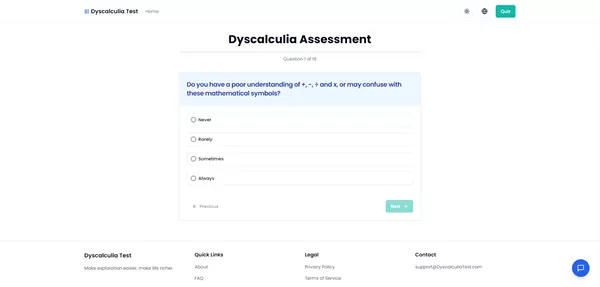
Online Screening Tests: Many websites, including https://dyscalculiatest.com, offer preliminary screening tests. DyscalculiaTest.com's free online test, for example, is based on commonly recognized indicators of dyscalculia. It's important to remember that this test is not a substitute for a professional diagnosis, but it can be a helpful first step in determining if further assessment is needed.
[From our experience working with families, we find these tests particularly useful to reduce initial anxieties around testing. It empowers users to evaluate if pursuing an expert assessment is the right call.]
- Educational Psychologists: These professionals conduct comprehensive assessments to diagnose learning disabilities, including dyscalculia.
- Learning Centers: Some learning centers specialize in diagnosing and supporting individuals with learning differences.
- Schools: Schools often have resources for evaluating students who may have learning disabilities.
Self-Assessment vs. Professional Diagnosis
While self-assessments and online tests can be helpful for initial screening, a professional diagnosis is essential for accurate identification and appropriate intervention. A professional evaluation considers various factors, including cognitive abilities, academic performance, and behavioral observations.
Who Can Diagnose Dyscalculia?
Educational Psychologists & Learning Specialists
Educational psychologists and learning specialists are qualified to diagnose dyscalculia. These professionals have expertise in learning disabilities and use standardized tests and clinical observations to assess an individual's math abilities and cognitive processes.
Can a GP Diagnose Dyscalculia?
Generally, a general practitioner (GP) cannot provide a formal diagnosis of dyscalculia. However, they can be a valuable resource for referrals to qualified professionals, such as educational psychologists or learning specialists, who can conduct comprehensive evaluations.
The Dyscalculia Testing Process: What to Expect
Common Tests Used for Dyscalculia Diagnosis
The dyscalculia testing process typically involves a combination of standardized tests, interviews, and observations. Common tests include:
- Wechsler Individual Achievement Test (WIAT): Assesses math calculation, math reasoning, and numerical operations.
- Woodcock-Johnson Tests of Achievement (WJ): Evaluates a wide range of academic skills, including math fluency and calculation.
- KeyMath-3 Diagnostic Assessment: Focuses specifically on math skills and concepts.
How Long Does a Dyscalculia Test Take?
The duration of a dyscalculia test can vary depending on the individual's needs and the specific assessments used. Generally, a comprehensive evaluation can take several hours, often spread over multiple sessions.
How Do Doctors Test for Dyscalculia?
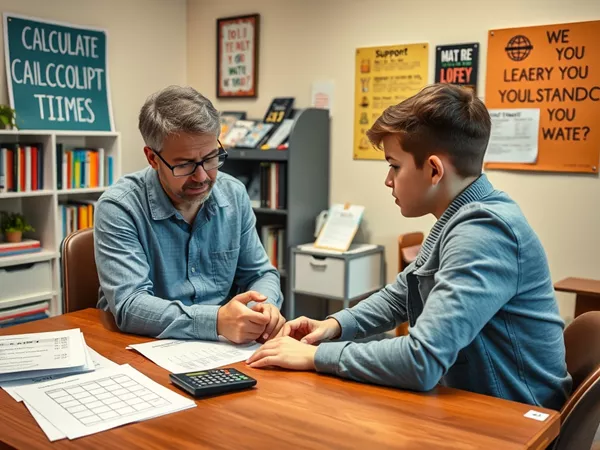
Doctors, particularly pediatricians, don't typically administer dyscalculia tests themselves. Instead, they may conduct initial screenings or refer individuals to specialists for comprehensive evaluations. These specialists use a variety of methods, including standardized tests and clinical observations, to assess math skills and identify underlying cognitive deficits. A free online test can be a good first step before seeking professional help.
Is It Worth Getting a Dyscalculia Diagnosis?
Benefits of a Formal Diagnosis
A formal dyscalculia diagnosis offers several benefits:
- Access to Accommodations: A diagnosis can qualify individuals for accommodations in school and work settings, such as extended time on tests or assistive technology.
- Targeted Interventions: A diagnosis allows for the development of personalized intervention strategies to address specific areas of weakness.
- Increased Self-Awareness: Understanding the nature of the learning disability can improve self-esteem and reduce anxiety related to math.
How a Diagnosis Can Help in Education and Work
In education, a dyscalculia diagnosis can lead to individualized education programs (IEPs) that provide tailored instruction and support. In the workplace, accommodations can help individuals perform tasks more efficiently and reduce stress associated with math-related responsibilities.
Dyscalculia Test Costs and Accessibility
How Much Does a Dyscalculia Test Cost?
The cost of a comprehensive dyscalculia evaluation can vary significantly depending on the qualifications and experience of the professional conducting the assessment, the types of tests administered, and geographic location. It's important to inquire about the evaluator's credentials and experience working with individuals with dyscalculia before scheduling an assessment.
Free vs. Paid Testing Options
While comprehensive evaluations typically involve a cost, some free or low-cost options are available:
- School-Based Assessments: Schools may offer free evaluations for students suspected of having learning disabilities.
- Online Screeners: Websites like [https://dyscalculiatest.com] provide free dyscalculia test that can offer initial insights.
- Community Clinics: Some community clinics offer low-cost or sliding-scale evaluations.
Next Steps After Dyscalculia Testing
What to Do If You Test Positive for Dyscalculia
If you or someone you know tests positive for dyscalculia, the following steps are recommended:
- Consult with Professionals: Work with educational psychologists, learning specialists, and educators to develop a comprehensive intervention plan.
- Implement Accommodations: Utilize accommodations in school and work settings to support learning and performance.
- Seek Support: Join support groups or connect with other individuals with dyscalculia to share experiences and strategies.
Support and Resources for Dyscalculia
Numerous resources are available to support individuals with dyscalculia:
- Learning Disabilities Association of America (LDA): Provides information, resources, and support for individuals with learning disabilities.
- International Dyslexia Association (IDA): Offers resources on dyslexia and related learning disabilities.
- National Center for Learning Disabilities (NCLD): Advocates for policies and practices that support individuals with learning disabilities.
FAQ
What Age Is Dyscalculia Usually Diagnosed?
Dyscalculia is often diagnosed during the elementary school years, typically between the ages of 6 and 9, when children begin to encounter more formal math instruction. However, it can also be diagnosed in older children, teenagers, and adults.
Can Adults Be Diagnosed with Dyscalculia?
Yes, adults can be diagnosed with dyscalculia. While the condition is often identified in childhood, many adults may not receive a diagnosis until later in life. Formal assessments can help adults understand their math difficulties and access appropriate support.
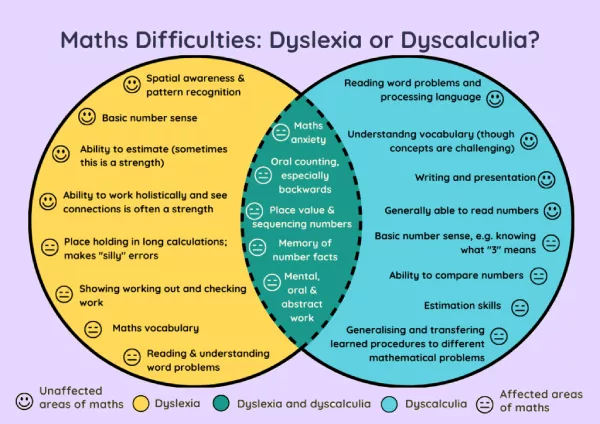
What’s the Difference Between Dyscalculia and Dyslexia?
Dyscalculia and dyslexia are both learning disabilities, but they affect different areas of learning. Dyscalculia primarily affects math abilities, while dyslexia primarily affects reading and language skills. However, some individuals may have both conditions.
How to Spot Dyscalculia in Adults?
Spotting dyscalculia in adults involves recognizing persistent difficulties with math-related tasks, such as managing finances, telling time, or estimating quantities. Adults with dyscalculia may also experience anxiety or avoidance related to math. If you suspect you may have dyscalculia, consider taking a dyscalculia test to assess your math skills.
Take the First Step Today!
Don't let math struggles hold you back. Take our free online test to see if further evaluation for dyscalculia is right for you. Understanding your math abilities is the first step towards unlocking your full potential.
We at DyscalculiaTest.com believe that understanding dyscalculia starts with accessible information and resources. While our free online test offers a preliminary screening tool, we encourage you to seek professional diagnosis if you suspect dyscalculia is present. Our goal is to empower individuals and families with information, resources, and support to navigate the challenges of dyscalculia effectively.