Dyscalculia or Bad at Math? When to Seek Support
Are you struggling with numbers, feeling overwhelmed by math, and constantly wondering if it's just a general weakness or something more profound? It's a question many ask themselves: Do I have dyscalculia or am I just bad at math? This guide will help you understand the crucial differences between dyscalculia – a specific learning difference – and common math difficulties. By understanding these distinctions, you'll gain clarity and know when to consider a formal screening to start your journey toward better understanding.
Dyscalculia vs. Just Being "Bad at Math"
The phrase "bad at math" is often thrown around casually, but it can mask genuine struggles. While everyone faces math challenges at some point, there's a significant difference between common difficulties and a persistent, neurologically based learning difference like dyscalculia.
What is Dyscalculia Truly? Defining a Specific Learning Difference
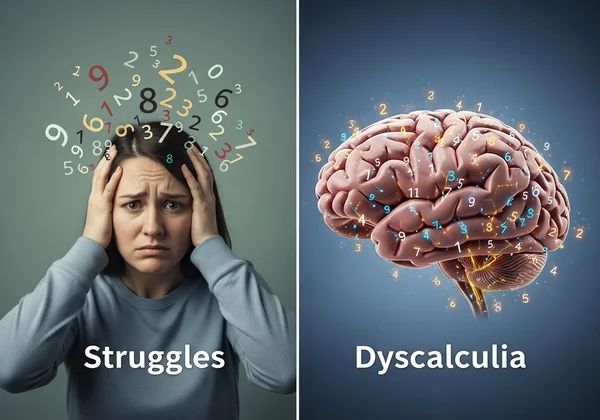
Dyscalculia is not about intelligence or effort; it's a specific learning difference that affects a person's ability to understand and process numerical and mathematical information. It stems from how the brain processes numbers and mathematical concepts. They might struggle with number sense, understanding quantities, recognizing patterns in numbers, or performing basic arithmetic operations despite consistent effort and instruction. It's often compared to dyslexia, which affects reading, but for numbers. This condition impacts fundamental numerical reasoning and often manifests as difficulties with quantity, magnitude, and numerical memory.
Common Reasons for General Math Struggles
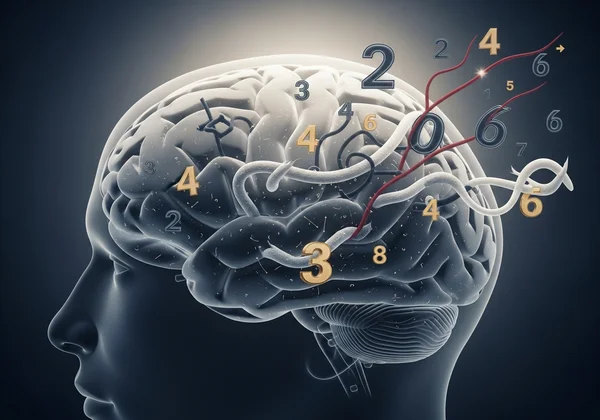
Many factors can contribute to general math struggles. These might include math anxiety, which causes panic and blocks cognitive function during math tasks. Inadequate teaching methods, a lack of foundational understanding from early schooling, or insufficient practice can also lead to persistent difficulties. Sometimes, it's simply a temporary dip in performance due to stress, lack of sleep, or competing academic demands. Unlike dyscalculia, these struggles typically improve with targeted tutoring, practice, or a change in learning environment.
Key Signs of Dyscalculia: Beyond Basic Math Struggles
Identifying signs of dyscalculia requires looking beyond simple mistakes or a dislike for math. It involves recognizing a consistent pattern of difficulties with number-related tasks that are often unexpected given a person's overall intellectual abilities.
Recognizing Dyscalculia Signs in Adults
For dyscalculia test for adults, the signs can often be masked by coping mechanisms or a lifetime of avoiding math-related tasks. People facing dyscalculia in adulthood might struggle with:
- Difficulty managing finances, budgeting, or understanding simple interest.
- Trouble with time management, reading analog clocks, or estimating durations.
- Poor sense of direction or spatial reasoning, like distinguishing left from right.
- Struggling with mental math, even simple calculations, relying heavily on calculators.
- Difficulty remembering numerical sequences like phone numbers or pin codes.
- Anxiety or avoidance of situations requiring numerical tasks, such as splitting a bill or calculating tips.
If these challenges sound familiar, taking an online dyscalculia test can offer valuable preliminary insights.

Understanding Dyscalculia Symptoms in Children & Teens
Recognizing dyscalculia test for child or dyscalculia test teenager can be crucial for early intervention. In children, common signs include:
- Difficulty learning to count, recognize numbers, or understand number sequences.
- Trouble with basic arithmetic facts (e.g., 2+2=4), often resorting to finger counting long after peers have stopped.
- Struggling to connect numerical symbols with quantities (e.g., knowing '5' means five items).
- Problems with place value (e.g., understanding 12 is one ten and two ones).
- Challenges with telling time or measuring ingredients.
- Difficulty with word problems, even if they understand the individual math operations. For teenagers, these issues might evolve into struggles with algebra, geometry, or higher-level math, coupled with significant math anxiety.
Common Misconceptions About Dyscalculia
There are many myths surrounding dyscalculia that hinder understanding and support. It's not a sign of laziness or a lack of intelligence. People with dyscalculia can be highly intelligent and excel in other academic areas, such as reading, writing, or creative arts. It's also not a condition that people "grow out of"; rather, it's a lifelong learning difference that can be managed effectively with the right strategies and support. Understanding these common misconceptions is vital for fostering an empathetic and supportive environment.
When to Consider a Dyscalculia Screening or Assessment
Deciding when to consider a dyscalculia screening or dyscalculia assessment is a personal choice often prompted by persistent difficulties that impact daily life or academic performance. It's a significant step from uncertainty to understanding.
Self-Reflection: Is It More Than Just Difficulty?
Before seeking any formal steps, take a moment for self-reflection. Have your math struggles been persistent across different environments (school, work, home)? Do they cause significant frustration, anxiety, or avoidance? Do they seem out of proportion to your general abilities in other areas? If you find yourself consistently answering yes to these questions, it may indicate something more than typical math challenges. Taking this time for self-reflection is a powerful first step toward gaining clarity.
The Value of Online Dyscalculia Screening Tools
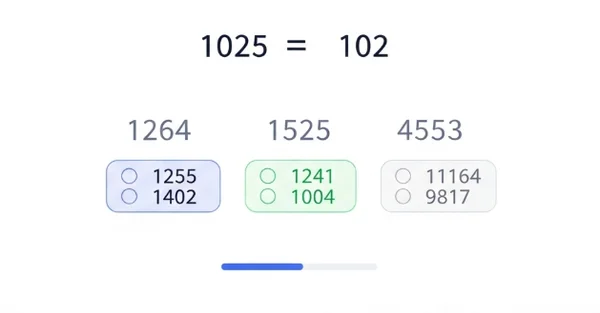
For many, the first accessible step is an online dyscalculia test. These tools provide a convenient, private way to explore whether your struggles align with the patterns of dyscalculia. This free, expert-designed online screening tool helps identify potential indicators of math learning difficulties. It's designed by educational psychologists and math experts, ensuring a scientifically informed approach. What sets it apart is the option for an AI-driven personalized analysis report, offering deeper insights into your cognitive profile and tailored strategies. Ready to gain some initial insights? You can explore your potential by visiting our homepage and starting a test today.
Beyond Screening: The Importance of Professional Diagnosis
It's crucial to understand that an online screening tool, while incredibly helpful for initial identification, is not a substitute for a professional diagnosis. The free dyscalculia test on our site can indicate a likelihood of dyscalculia, guiding you on whether to pursue further evaluation. A formal dyscalculia assessment by a qualified educational psychologist or neuropsychologist is necessary for a definitive diagnosis. This professional evaluation involves a comprehensive battery of tests to rule out other conditions and pinpoint the specific areas of difficulty, leading to official accommodations and targeted support plans. Our goal is to provide a reliable first step, empowering you with information to decide on further action.
Empower Yourself: Understanding & Addressing Math Challenges
Understanding the distinction between dyscalculia and general math struggles is the first step toward empowerment. Whether you're a concerned parent noticing patterns in your child, a confused adult grappling with numbers, or an educator seeking resources, acknowledging the challenge is vital. Dyscalculia is not a barrier to success but a different way of processing numbers. With the right strategies and support, individuals can effectively manage their challenges and thrive.
Ready to discover your math strengths and explore potential areas for growth? Take the proactive step today. Visit our free online dyscalculia screening tool to begin your journey toward understanding and effective management. Understanding your challenges is the first step to overcoming them.
Frequently Asked Questions About Dyscalculia & Math Struggles
Do I have dyscalculia or am I just bad at math?
While general math struggles can stem from anxiety, poor teaching, or lack of practice, dyscalculia is a specific learning difference affecting the brain's ability to process numbers and mathematical concepts. If your difficulties are persistent, severe, and impact daily life despite effort, it's worth exploring the possibility of dyscalculia.
What are the common signs of dyscalculia in adults and children?
In children, signs often include persistent difficulty with counting, basic arithmetic facts, understanding place value, and telling time. For signs of dyscalculia adult, these might manifest as struggles with budgeting, mental math, remembering numerical sequences, and time management. It's a consistent pattern of difficulty with numerical reasoning beyond what's typical.
How do you test for dyscalculia, and is there an online option?
Testing for dyscalculia typically involves a comprehensive evaluation by a qualified professional for a formal diagnosis. However, an accessible first step is an online dyscalculia test or screening tool. Our free, expert-designed online screening provides immediate results and the option for a detailed AI-powered analysis report. You can start screening today to get initial insights.
Can dyscalculia be cured or managed effectively?
Dyscalculia is a lifelong learning difference, meaning it cannot be "cured." However, it can be managed very effectively with appropriate strategies, accommodations, and targeted support. Early identification and intervention are key, but adults can also learn valuable coping mechanisms and tools to improve their mathematical confidence and skills. The goal is to provide tools and strategies for a richer life.