Living with Dyscalculia: Real Success Stories and Support Strategies
For years, you may have struggled with numbers, time management, or even telling left from right. Maybe you've often wondered, "Am I just bad at math, or is it something more?" You are not alone. Millions of people live with dyscalculia, a learning difference that affects how the brain processes numerical information. But a diagnosis is not a dead end; it's a doorway to understanding.
Many people have found remarkable success by learning about their unique cognitive profile and leveraging their strengths. In this article, we’ll share three powerful, anonymized stories of individuals and families navigating life with dyscalculia. These journeys, paired with expert insights, show how challenges can be reframed into strengths. Understanding your own profile is the first step, and our free dyscalculia screening can help you begin that journey.
Understanding the Dyscalculia Journey
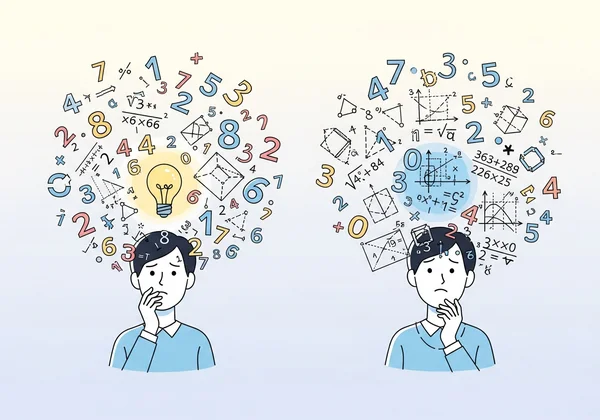
The path to understanding dyscalculia often starts with confusion and ends with clarity. For many, it's a long process of self-doubt before they find answers. Recognizing these shared experiences is a crucial part of the process, validating feelings that may have been dismissed for years. This journey is as much about emotional discovery as it is about identifying a learning difference.
Common Experiences Before Diagnosis
Before a name is put to the struggle, life can feel like a constant battle against an invisible force. Adults might consistently find themselves making errors in their finances, struggling to calculate a tip, or feeling anxious when asked to interpret a simple chart at work. They might have been labeled "lazy" or "not a math person" throughout their school years, internalizing these messages.
For children, the signs are often more visible in an academic setting. A child might have trouble grasping basic concepts like "greater than" or "less than," struggle to learn multiplication tables despite repeated practice, or find word problems completely incomprehensible. These difficulties can lead to homework battles, low self-esteem, and a deep-seated anxiety around anything related to math.
The Emotional Impact of Discovery
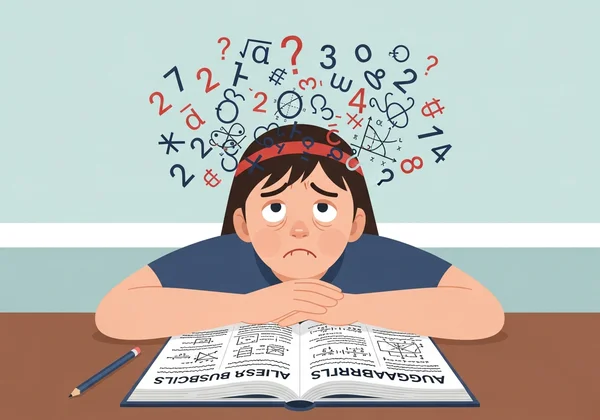
Receiving a diagnosis—or even just discovering the term "dyscalculia"—can be a profoundly emotional experience. The most common feeling is relief. Suddenly, a lifetime of struggles makes sense. It wasn't a lack of effort or intelligence; it was a neurological difference. This realization can be incredibly validating, lifting a heavy weight of self-blame.
This discovery also brings clarity. It provides a framework for understanding past difficulties and a roadmap for moving forward. For parents, it shifts the focus from frustration to support. For adults, it opens the door to self-advocacy and finding new strategies to navigate daily life and the workplace. It's the moment where the journey turns from confusion to empowerment.
Three Paths Through Dyscalculia
People experience dyscalculia in deeply personal ways. While no two stories are exactly alike, these three journeys show how individuals and families have found resilience, adapted to challenges, and achieved success. These stories highlight how understanding one's learning profile is the key to unlocking potential, whether in business, school, or personal life.
Sarah's Story: From Math Anxiety to Entrepreneurial Success
Sarah, a 35-year-old graphic designer, always dreaded numbers. Budgeting, invoicing, and project timelines filled her with anxiety. For years, she worked for large agencies where others handled the finances, but she dreamed of starting her own studio. The fear of managing the business side held her back. After discovering she had dyscalculia through an online dyscalculia test, she felt empowered.
Instead of fighting her challenges, she embraced them. She invested in user-friendly accounting software with strong visual interfaces. She used color-coding to manage her finances and hired a part-time bookkeeper. Freed from the anxiety of numbers, she could focus on her true talent: creativity. Today, her design studio is thriving. Sarah’s story shows that success isn’t about being good at everything; it’s about building a system that leverages your strengths.

The Thompson Family: Supporting a Child with Dyscalculia
The Thompsons were worried about their 10-year-old son, Leo. He was bright and curious but became withdrawn and frustrated during math class. His grades were slipping, and he started saying he hated school. After months of concern, they decided to explore potential learning differences and used a dyscalculia screening tool as a first step. The results suggested he showed signs consistent with dyscalculia.
Armed with this new understanding, they worked with his school to create a supportive learning plan. They used hands-on tools like blocks and beads to teach math concepts, played board games to make numbers fun, and celebrated his progress, no matter how small. Most importantly, they helped Leo understand his brain just works differently. Today, Leo is more confident and engaged in school. The Thompson family’s journey shows that with the right support and understanding, children with dyscalculia can flourish.
Mark's Journey: Finding His Career Niche Despite Learning Differences
Mark, a 28-year-old, had always struggled in jobs that required quantitative skills. He had lost a retail position because he couldn't manage the cash register accurately and found data entry tasks overwhelming. He felt like a failure, jumping from one unsuitable job to another. He believed he was destined for a career of frustration.
His turning point came when he focused on his strengths: connecting with people. He had exceptional verbal and interpersonal skills. After learning about dyscalculia, he realized he needed a career that played to these strengths. He pursued a role in non-profit community outreach, where his job was to build relationships and share stories—not analyze spreadsheets. He found his niche and excelled. Mark’s story is a powerful reminder that dyscalculia doesn't close doors; it simply guides you toward different ones.
Expert Insights: Turning Challenges into Strengths
Understanding dyscalculia isn't just about identifying weaknesses; it's also about uncovering hidden strengths. Many individuals with this learning difference possess remarkable abilities in other areas. Educational psychologists emphasize that by focusing on these strengths and using tailored strategies, people can not only manage their difficulties but also thrive because of their unique cognitive wiring.
Cognitive Strengths Often Overlooked
While processing numbers may be difficult, many people with dyscalculia excel in other domains. Common strengths include:
- Creative Thinking: A different way of processing information can lead to highly original ideas and out-of-box problem-solving.
- Strategic Thinking: Many are big-picture thinkers who can devise excellent long-term strategies, even if they struggle with the numerical details.
- Verbal Skills: Strong abilities in language, writing, and storytelling are common.
- Empathy: A personal understanding of struggle can foster deep empathy and strong interpersonal skills.
Recognizing these strengths is the first step in building confidence and finding a path where you can truly shine.
Strategic Approaches for Different Life Stages
The right support strategies change over time. For a young child, the focus should be on multi-sensory learning—using physical objects, games, and real-world examples to make math concrete. Patience and positive reinforcement are key.
For teenagers and adults, the focus shifts to practical tools and accommodations. This can include using calculator apps, budgeting software, and GPS for navigation. In the workplace, it might mean advocating for tools that present data visually or delegating numerical tasks when possible. The goal is to build a toolkit of strategies that makes daily life and work more manageable and less stressful. The journey begins with knowing where you stand, and taking a free screening test is a great starting point.
Your Next Steps in the Dyscalculia Journey
Your path with dyscalculia will be uniquely yours, but one thing remains true: knowing your cognitive strengths and challenges opens doors to your full potential. Whether you're an adult just discovering this learning difference or a parent supporting a child who struggles with math, recognizing the signs of dyscalculia is not about focusing on limitations—it's about finding new pathways to success.
The stories of Sarah, Leo, and Mark show that a life with dyscalculia can be rich, successful, and fulfilling. It begins with the courage to seek answers and the wisdom to embrace your unique mind.
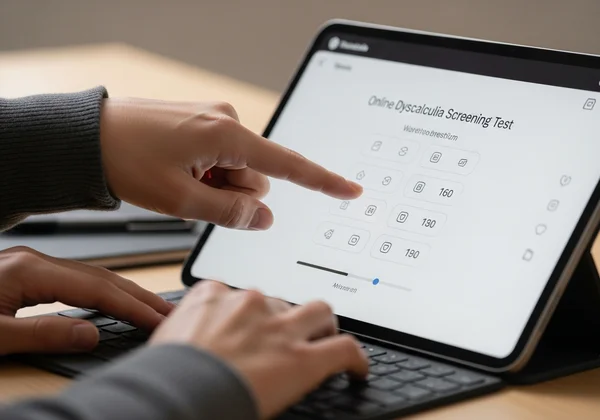
Ready to begin your journey of understanding? Take our free, confidential dyscalculia screening test today and discover your unique cognitive strengths.
Frequently Asked Questions About Living with Dyscalculia
What are some common career paths for people with dyscalculia? People with dyscalculia often thrive in careers that leverage creativity, communication, and big-picture thinking. Fields like graphic design, writing, counseling, sales, and community organizing are excellent fits. The key is to find a role that emphasizes your strengths over your challenges.
How can parents support a child with dyscalculia? Support starts with empathy and patience. Use hands-on, multi-sensory tools to teach math. Focus on real-world applications, like cooking or shopping. Most importantly, work with their school to ensure they receive appropriate accommodations and celebrate their effort, not just the outcome.
Can dyscalculia be an advantage in certain professions? Absolutely. The unique cognitive profile associated with dyscalculia often correlates with high-level strategic thinking, creative problem-solving, and strong verbal skills. In fields that value innovation and human connection over rote calculation, these traits can be a significant advantage.
What resources are available for adults with dyscalculia? There are many resources available. Assistive technology like specialized calculators and budgeting apps can be a huge help. Online communities and support groups provide a space to share experiences. A great first step is to better understand your own profile with a tool like our online dyscalculia test.
How do I know if I have dyscalculia? If you have a lifelong history of struggling with basic math concepts, estimating time or distance, and managing finances, you may show signs of dyscalculia. While a formal diagnosis must come from a qualified professional, a screening tool can be a valuable first step to see if your experiences align with common symptoms.